Unveiling the IPO: A Company’s Leap to the Public Market
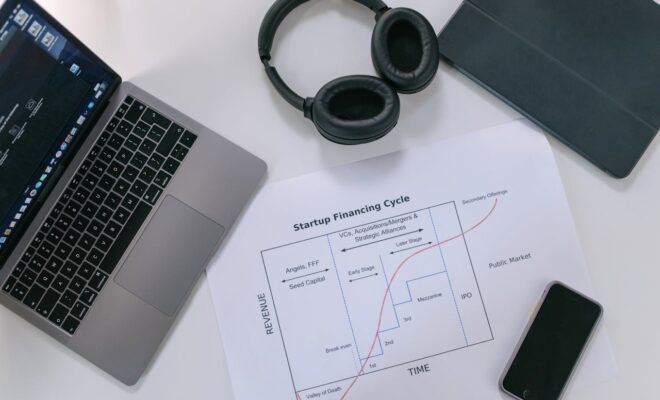
An Initial Public Offering (IPO) marks a significant milestone for a private company, transitioning it to a publicly traded entity. This process allows the company to raise capital from public investors while providing investors an opportunity to participate in the company’s growth. Let’s delve into the science and practicalities of how IPOs function.
The Science of IPOs
- Capital Formation and Growth:
- IPOs are a primary mechanism for companies to raise substantial capital for expansion, research, development, or debt reduction.
- Scientific Explanation: By selling shares to the public, companies gain access to a larger pool of investors than they could access privately.
- Why: This influx of capital fuels growth and innovation.
- Price Discovery and Market Valuation:
- IPOs establish the initial market price for a company’s shares, reflecting investor demand and perceived value.
- Scientific Explanation: The IPO process involves a complex interaction of supply and demand, influenced by financial analysis and market sentiment.
- Why: Creates a public valuation for a previously private entity.
- Liquidity and Shareholder Value:
- IPOs provide liquidity for existing shareholders, allowing them to sell their shares in the public market.
- Scientific Explanation: Publicly traded shares are more easily bought and sold than privately held shares, enhancing liquidity.
- Why: Enables shareholders to realize their investment gains.
The IPO Process: A Step-by-Step Breakdown
- Selection of Underwriters:
- The company hires investment banks (underwriters) to manage the IPO process.
- Why: Underwriters have expertise in pricing and distributing shares.
- Practical Application: Underwriters conduct due diligence and advise on market conditions.
- Due Diligence and Financial Analysis:
- Underwriters conduct thorough due diligence, examining the company’s financial statements, business model, and competitive landscape.
- Why: Ensures accurate and transparent disclosure to investors.
- Solution: This analysis helps determine the company’s intrinsic value.
- Registration with Regulatory Bodies:
- The company files a registration statement (S-1 in the U.S.) with regulatory bodies, such as the Securities and Exchange Commission (SEC).
- Why: Ensures compliance with securities laws and provides transparency to investors.
- Scientific Explanation: The registration statement discloses key information about the company’s financials, risks, and business operations.
- Roadshow and Investor Presentations:
- The company and underwriters conduct a roadshow, presenting the company’s investment potential to institutional investors.
- Why: Generates interest and demand for the company’s shares.
- Practical Application: Roadshows help gauge investor sentiment and determine the IPO price range.
- Pricing and Allocation:
- Based on investor demand and market conditions, the underwriters set the IPO price and allocate shares to investors.
- Why: Aims to maximize the company’s capital raise while ensuring a successful offering.
- Scientific Explanation: The IPO price reflects the equilibrium between supply and demand.
- Trading on the Stock Exchange:
- After the IPO, the company’s shares begin trading on a stock exchange, such as the NYSE or Nasdaq.
- Why: Creates a public market for the company’s shares.
- Solution: Trading volume and price fluctuations reflect investor sentiment and market conditions.
Key Terms to Understand
- Underwriter: Investment bank that manages the IPO.
- S-1 Filing: Registration statement filed with the SEC.
- Roadshow: Presentations to institutional investors.
- IPO Price: The initial price at which shares are offered to the public.
- Allocation: The distribution of shares to investors.
Factors Influencing IPO Success
- Market Conditions:
- Bull markets with high investor confidence tend to favor IPOs.
- Why: Strong market conditions increase demand for new issues.
- Company Fundamentals:
- Companies with strong financial performance, growth potential, and a solid business model are more attractive to investors.
- Why: Strong fundamentals instill investor confidence.
- Investor Sentiment:
- Investor sentiment and market psychology play a significant role in IPO demand.
- Why: Positive sentiment drives demand and influences pricing.
- Underwriter Reputation:
- Reputable underwriters with a track record of successful IPOs can enhance investor confidence.
- Why: Underwriters’ expertise and relationships influence IPO outcomes.
By understanding the IPO process and the factors that influence its success, you can gain valuable insights into this crucial stage of a company’s lifecycle.